How to beat keto flu naturally: the Novuburn guide

Updated September 2026 · reviewed by the Novuburn Research Team. We are an independent information resource, not a medical provider, and this article is educational rather than medical advice.
Keto flu is the temporary run of fatigue, headache, brain fog, irritability and cramps that can hit in the first days of a low-carb diet. (Bostock et al., Front Nutr 2020) The good news: it is largely an electrolyte-and-fuel problem, which means it responds well to a handful of natural, low-effort habits. This guide walks through them in plain language — what to drink, what minerals to replace, how to pace the change, and where a BHB and MCT capsule like Novuburn can play a supporting role. Once the acute phase passes, the habits in how to boost metabolism naturally are what keep energy steady.
The fastest natural route through keto flu, in one place.
- The cause
- As carbs drop, insulin falls and your kidneys shed water and the electrolytes dissolved in it — while your own ketone production is still ramping up.
- Biggest lever
- Replace sodium first, then magnesium and potassium, and drink to thirst. (Garrison et al., Cochrane Database Syst Rev 2020) Most symptoms ease within a day or two of doing this.
- Fuel the gap
- Exogenous BHB and MCT give your brain and muscles ready-made ketone fuel while your body catches up.
- Pace it
- Easing carbs down over several days, rather than overnight, softens the adjustment for many people.
- Timeframe
- Keto flu usually lasts a few days to a week; rarely beyond two. Individual results vary.
If your first attempt at keto left you flat, foggy and cramping, you are not alone — and you did not fail. Keto flu is a predictable side-effect of a metabolic switch, and one of the most manageable hurdles in nutrition once you know what is happening. Below we unpack the mechanism, work through the natural fixes in order of impact, and show where Novuburn is designed to help. If you would rather shorten that switch than sit through it, see how to get into ketosis faster.

What is keto flu, really?
When you cut carbohydrates below roughly 50 grams a day, your body works through its stored glucose (glycogen) and begins converting fat into ketones for fuel. But two things happen during the changeover. First, each gram of glycogen is stored with several grams of water, so as glycogen falls you lose water quickly — and with it, the electrolytes dissolved in that water. Second, your liver has not yet scaled up ketone production to fully cover your energy needs, so for a few days there can be a genuine fuel gap. Understanding that keto flu is mostly about minerals and fuel — not a mysterious intolerance — is empowering: the fixes are concrete, cheap and largely within your control.
Why does a low-carb diet flush electrolytes?
Insulin does more than manage blood sugar; it also signals the kidneys to hold on to sodium. When you eat far fewer carbohydrates, insulin falls and the kidneys excrete sodium and water more freely, which in turn shifts potassium and magnesium balance. Because these minerals run your nerves, muscles and hydration, running low produces exactly the symptoms people report: headaches, cramps, fatigue, dizziness on standing, and a foggy, irritable mood. Magnesium in particular deserves its own read, which we give it in magnesium as a keto electrolyte.

The natural fixes, in order of impact
1. Replace sodium first
Sodium is the electrolyte you lose fastest and feel most, so it is the highest-return fix. On a low-carb diet, many people need more salt than the “eat less salt” message suggests — a cup of salty broth, a pinch of quality salt in your water, or simply salting your food to taste can make a same-day difference to headaches and fatigue. If you have high blood pressure or a heart or kidney condition, talk to your doctor about the right amount for you. Our full guide to electrolytes on keto sets out how much of each mineral to aim for.
2. Top up magnesium and potassium
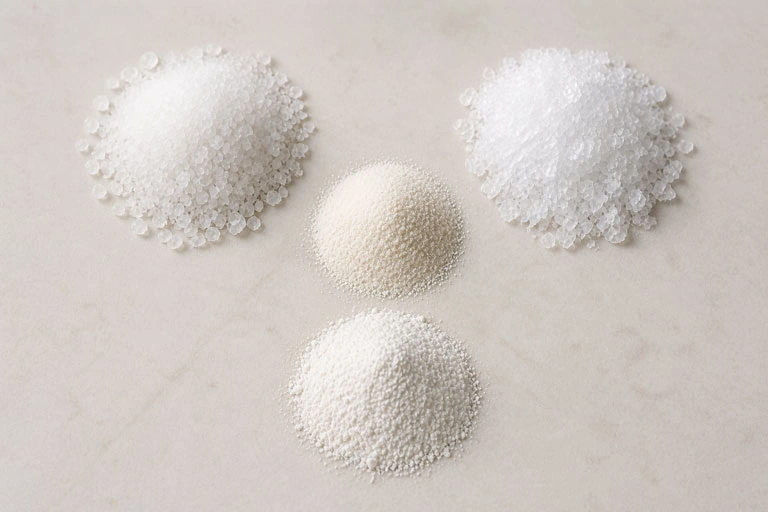
Magnesium is strongly linked to the muscle cramps and restless sleep of early keto, and potassium works alongside sodium for nerve and muscle function. Whole-food sources fit low-carb eating well: leafy greens, avocado, nuts and seeds for magnesium; avocado, salmon, mushrooms and leafy greens for potassium. Many people also use a magnesium supplement in the evening during the first week.
3. Drink to thirst — not to a rule
Because you are shedding water, staying hydrated matters, but chugging plain water without replacing minerals can actually dilute your electrolytes further and make symptoms worse. The better approach is to drink to thirst and pair fluids with sodium. Broth, mineral water and electrolyte drinks without added sugar all help.
4. Fuel the gap with ketones and MCT
While your body ramps up its own ketone production, a ready-made source of fuel can smooth the transition. This is where exogenous BHB (beta-hydroxybutyrate) and MCT come in: BHB is the very ketone your body makes on keto, and medium-chain triglycerides are readily converted toward ketones in the liver. Supplying both gives your brain and muscles fuel they can use right away. For a deeper look, see our guide to BHB salts and exogenous ketones. (Harvey et al., J Nutr Metab 2018)
5. Ease into it and keep moving gently
Cutting carbohydrates gradually over several days, rather than overnight, gives your kidneys and metabolism time to adjust and can prevent the worst of the symptoms. Light activity — a walk, easy mobility work — supports the transition, while very intense training in the first week can amplify fatigue. Prioritise sleep, because short nights raise the stress hormones that make adaptation feel harder.
See how Novuburn supports adaptation →
A symptom-by-symptom cheat sheet
Different symptoms point to different fixes. This table maps the most common ones to the natural step most likely to help.
| Symptom | Most likely driver | First natural step |
|---|---|---|
| Headache & fatigue | Low sodium, dehydration | Salt to taste; salty broth; drink to thirst |
| Muscle & leg cramps | Low magnesium / potassium | Leafy greens, avocado, nuts; magnesium in the evening |
| Brain fog | Fuel gap during adaptation | Exogenous BHB and MCT for ready-made fuel |
| Dizziness on standing | Low blood volume / sodium | Increase fluids and sodium together |
| Irritability & poor sleep | Stress hormones, low magnesium | Magnesium, consistent bedtime, gentle activity |
Where does Novuburn fit in?
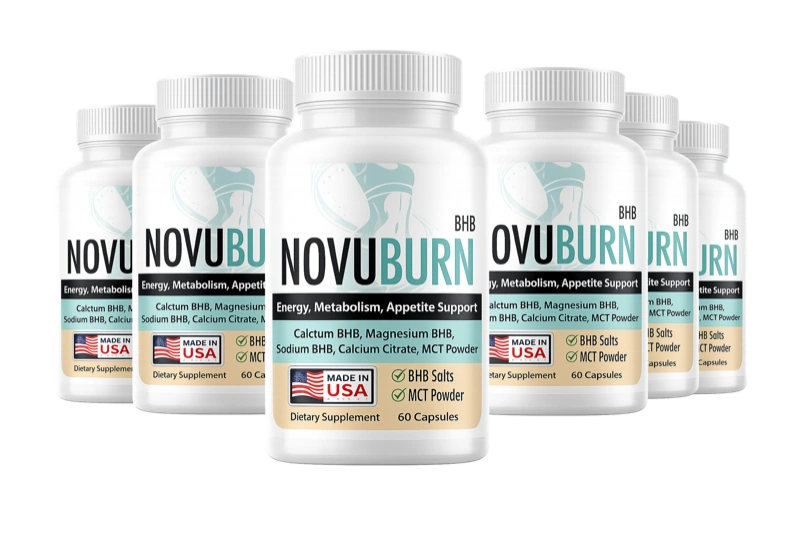
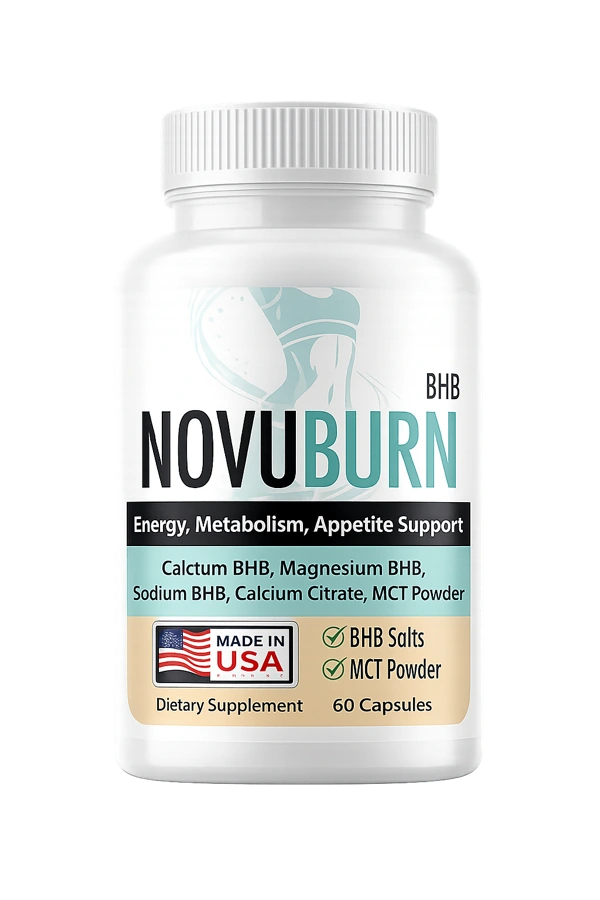
Novuburn is built around the two levers that matter most during adaptation: fuel and electrolytes. Its Tri-Salt BHB complex binds beta-hydroxybutyrate to calcium, magnesium and sodium, so a single serving supplies exogenous ketones and returns three of the minerals a low-carb diet tends to flush. Powdered MCT adds a second, fast-converting source of fuel, with a botanical stack rounding out the formula. It is a support to good hydration and a well-planned low-carb diet, not a replacement for either.
Make adaptation easier
Novuburn pairs a Tri-Salt BHB complex with powdered MCT and electrolytes in one daily capsule. The six-bottle bundle is the best value at $49 per bottle, with free U.S. shipping and a 60-day guarantee.
Order Novuburn — from $49/bottleA simple first-week plan
The best plan is the one you will actually follow. Here is a light framework for a smoother first seven days:
- Front-load sodium from day one — salt food to taste and keep broth handy.
- Add magnesium in the evening to support sleep and ease cramps.
- Drink to thirst, pairing fluids with a little salt rather than plain water alone.
- Take Novuburn with breakfast — two capsules with water — for fuel and electrolytes.
- Keep activity gentle, protect a consistent bedtime, and ease carbs down over the first few days.
Consistency turns a rough week into a short one. Because a steady routine builds over time, many people choose a multi-month supply — compare the packages and pricing on the homepage.
When should you talk to a doctor?
Natural steps are for a normal, short adaptation phase — not a substitute for medical care. Speak with your doctor before starting keto if you are pregnant or nursing, under 18, take medication (especially blood-pressure or glucose-lowering medicine), or have a diagnosed condition. Seek care promptly if symptoms are severe or last beyond two weeks, or if you experience fainting, a racing heartbeat or persistent vomiting.
Frequently asked questions
What is keto flu and why does it happen?
Keto flu is the cluster of temporary symptoms — fatigue, headache, brain fog, irritability and muscle cramps — that some people feel in the first days of a low-carb diet. It is largely driven by the loss of water and electrolytes as insulin falls, plus the lag before your body makes enough of its own ketones for fuel.
How long does keto flu last?
For most people keto flu lasts a few days to about a week, and rarely beyond two weeks. Staying hydrated and replacing sodium, magnesium and potassium tends to shorten and soften it, and individual experiences vary.
Which electrolytes matter most for keto flu?
Sodium is usually the biggest lever because a low-carb diet flushes it quickly, followed by magnesium and potassium. Calcium is also part of the picture. Replacing them through food, fluids and supplements is the single most effective natural step for easing symptoms.
Do BHB and MCT help with keto flu?
Exogenous BHB and MCT supply a ready-made source of ketone fuel while your body ramps up its own production, which can support steadier energy and clarity during adaptation. They are a support to good hydration and electrolytes, not a replacement for them.
Can I prevent keto flu instead of treating it?
Often, yes. Increasing fluids and sodium before and during the first low-carb week, easing carbohydrates down rather than cutting them overnight, and keeping light activity gentle all reduce the odds of a rough adaptation.
When should I see a doctor about keto flu?
See a healthcare professional if symptoms are severe, last beyond two weeks, or include fainting, a racing heartbeat or persistent vomiting, and before starting keto if you are pregnant, nursing, under 18, take medication or have a medical condition.
Try Novuburn risk-free for 60 days →
Novuburn is a dietary supplement, not a treatment for any medical condition. These statements have not been evaluated by the Food and Drug Administration. This product is not intended to diagnose, treat, cure or prevent any disease. Always consult a qualified healthcare professional about your individual needs.
References & further reading
- National Institutes of Health, Office of Dietary Supplements. Sodium — Fact Sheet for Health Professionals. ods.od.nih.gov/factsheets/Sodium-HealthProfessional
- National Institutes of Health, Office of Dietary Supplements. Magnesium — Fact Sheet for Health Professionals. ods.od.nih.gov/factsheets/Magnesium-HealthProfessional
- National Institutes of Health, Office of Dietary Supplements. Potassium — Fact Sheet for Health Professionals. ods.od.nih.gov/factsheets/Potassium-HealthProfessional
- Bostock ECS, et al. Consumer Reports of “Keto Flu” Associated With the Ketogenic Diet. Front Nutr, 2020. pubmed.ncbi.nlm.nih.gov/32232045
- Examine.com. MCTs (Medium-Chain Triglycerides) — evidence-based summary. examine.com/supplements/mct
These references describe the ingredients and habits in general terms and do not constitute evidence that any product treats, cures or prevents any condition.
Keep reading: BHB salts and exogenous ketones explained · MCT oil vs powder for keto energy · back to the Novuburn blog · homepage.