Magnesium for keto: the missing mineral in Novuburn's Tri-Salt complex

Updated September 2026 · reviewed by the Novuburn Research Team. We are an independent information resource, not a medical provider, and this article is educational rather than medical advice.
Magnesium for keto matters because a low-carb diet quietly flushes the very mineral your muscles, nerves and energy systems depend on. As carbohydrates fall and insulin drops, your kidneys shed water and the electrolytes dissolved in it — and magnesium is high on that list. (Bostock et al., Front Nutr 2020) This article explains why the loss happens, what magnesium beta-hydroxybutyrate (magnesium BHB) actually is, how it ties to cramps and afternoon energy, and where the magnesium in Novuburn's Tri-Salt BHB complex fits a sensible low-carb electrolyte plan. Magnesium is one of three that matter here, and we cover the full set in electrolytes on keto.
Magnesium for keto, in one honest paragraph.
- The problem
- Low-carb eating lowers insulin, so your kidneys excrete more water and magnesium — and intake that was fine before can now fall short.
- What you feel
- A magnesium shortfall shows up as muscle and leg cramps, restless sleep and flat, foggy energy.
- Magnesium BHB
- Binding magnesium to beta-hydroxybutyrate delivers the mineral and a ready-made ketone in one molecule.
- The fix
- Lead with magnesium-rich foods — greens, avocado, nuts, seeds — and top up with a supplement.
If keto left your calves seizing at two in the morning or your focus fading by mid-afternoon, magnesium is one of the first places to look. Below we unpack the mechanism, weigh the evidence, and show where Novuburn fits in.
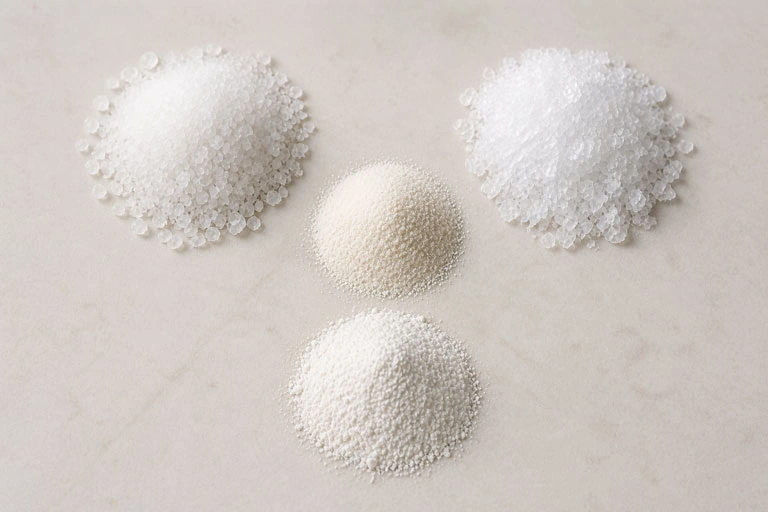
What does magnesium actually do on a keto diet?
Magnesium is a mineral that acts as a cofactor in more than three hundred enzyme reactions, governing muscle relaxation, nerve signalling and the way your cells produce energy. On keto those jobs are easier to disrupt because the mineral leaves your body faster than usual. A muscle contracts and releases, and magnesium is part of the release step — which is why a shortfall so often shows up as a cramp, or as the general flatness of running low. (Garrison et al., Cochrane Database Syst Rev 2020)
Why does a low-carb diet flush magnesium?
A low-carb diet flushes magnesium mainly because lower insulin tells the kidneys to hold on to less sodium and water, and magnesium is swept along in the same tide. Because each gram of stored glycogen holds several grams of water, that water and its dissolved minerals leave quickly. Sodium goes first, but magnesium and potassium shift with it — so an intake that met your needs before can suddenly fall short.

What is magnesium BHB, and why bind the two together?
Magnesium BHB is magnesium bound to beta-hydroxybutyrate, the exact ketone your liver produces when you run on fat. On its own, BHB is a fuel; on its own, magnesium is an electrolyte. Binding them into a single mineral salt means one serving does two jobs — it supplies ketone fuel while your body ramps up its own, and returns a mineral your low-carb diet is shedding. That is the logic behind pairing the two.
How is it different from magnesium citrate or oxide?
Different magnesium forms carry the same mineral on a different partner, and the partner affects absorption. Magnesium oxide is cheap but poorly absorbed; citrate and glycinate are better tolerated. Magnesium beta-hydroxybutyrate is distinctive because its partner molecule is itself useful on keto — you are carrying in a ketone your body can burn. For more, see our explainer on BHB salts and exogenous ketones. (Evans et al., J Physiol 2017)
How does magnesium relate to keto cramps?
Magnesium is central to muscle relaxation, so a shortfall is a common contributor to the leg and foot cramps people report in early keto. A muscle fibre needs calcium to fire and magnesium to let go; when magnesium runs low, the “let go” signal weakens and the muscle can lock into a spasm. Studies on magnesium supplements for cramps in the general population are mixed. But on a diet that actively depletes the mineral, replacing what you lose is a low-risk first move — ideally alongside sodium and potassium.
| Symptom on keto | How magnesium is involved | Sensible first step |
|---|---|---|
| Night-time leg & foot cramps | Low magnesium weakens muscle relaxation | Magnesium food; evening supplement |
| Restless, broken sleep | Magnesium supports the nervous system's calm side | Evening magnesium; steady bedtime |
| Flat mid-afternoon energy | Magnesium is a cofactor in energy production | Close the gap; pair with steady fuel |
| Eyelid or muscle twitches | Low magnesium raises nerve excitability | Top up magnesium; check electrolytes |
| General fatigue & irritability | Broad electrolyte shortfall, magnesium included | Replace sodium first, then magnesium |
Magnesium and keto energy: what is the afternoon connection?
Magnesium is required for the reactions that turn fuel into ATP, the energy currency your cells spend, so a low level can quietly cap how energetic you feel. Many people describe early-keto tiredness as an afternoon wall; some of that is the fuel gap while your ketone production catches up, and part can be an electrolyte story. Returning the mineral will not manufacture energy from nothing, but it can remove a shortfall that was holding steady energy back — the idea behind combining magnesium with BHB and MCT.

How much magnesium do you need on keto?
The general recommended dietary allowance for magnesium is roughly 400–420 mg a day for adult men and 310–320 mg for adult women, food and supplements together. A low-carb diet does not raise that target so much as make it harder to hit, because you lose more and some high-magnesium foods — beans, whole grains — are off the menu. Lead with keto-friendly foods and use a supplement to close the gap.
| Keto-friendly food | Approx. magnesium per serving | Notes |
|---|---|---|
| Pumpkin seeds (1 oz) | ~150 mg | Densest low-carb source |
| Cooked spinach (½ cup) | ~78 mg | A keto staple |
| Almonds (1 oz) | ~80 mg | Easy to over-snack |
| Avocado (1 medium) | ~58 mg | Also supplies potassium |
| Dark chocolate 70–85% (1 oz) | ~65 mg | Check added sugar |
Figures are approximate and rounded from general nutrition databases; exact amounts vary by product and preparation.
Which form is easiest on the stomach?
The gentlest magnesium is usually one bound to an organic molecule rather than a bare oxide. Chelated forms — glycinate, citrate and beta-hydroxybutyrate — tend to be better absorbed and less likely to loosen the stomach than magnesium oxide. Taking magnesium with food and in the evening improves comfort and, for many people, sleep.
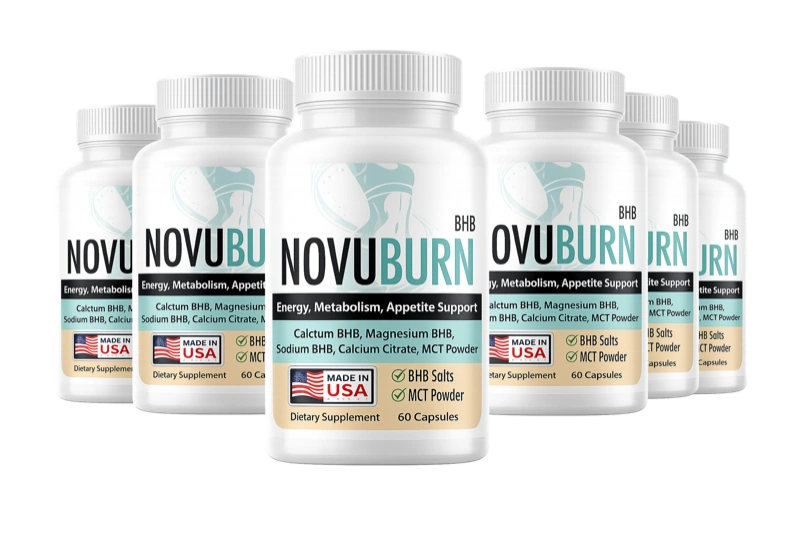
See the exact dose in Novuburn
Novuburn's Tri-Salt BHB complex returns magnesium alongside calcium and sodium, then adds powdered MCT for fuel — electrolytes and ketones in one daily capsule. The six-bottle bundle is the best value at $49 per bottle, with free U.S. shipping and a 60-day guarantee.
Check today's Novuburn pricing — from $49/bottleHow does magnesium work with the other low-carb electrolytes?
Magnesium works best as part of a trio rather than a solo fix, because sodium, potassium and magnesium share the balance a low-carb diet disturbs. Sodium is the largest and fastest loss, so it is the first lever; potassium partners with it for nerve and muscle function; magnesium is most tied to cramps and sleep. This is why Novuburn's complex is a Tri-Salt — it returns three minerals at once. For the broader picture, see our guide to beating keto flu.
What are the signs you are getting enough?
The clearest signal is the quiet absence of the symptoms above: cramps that stop waking you, steadier sleep and a less dramatic afternoon dip. More is not better — very high supplemental magnesium can cause loose stools and, rarely, more serious effects in people with reduced kidney function.
Where does magnesium sit in Novuburn's formula?
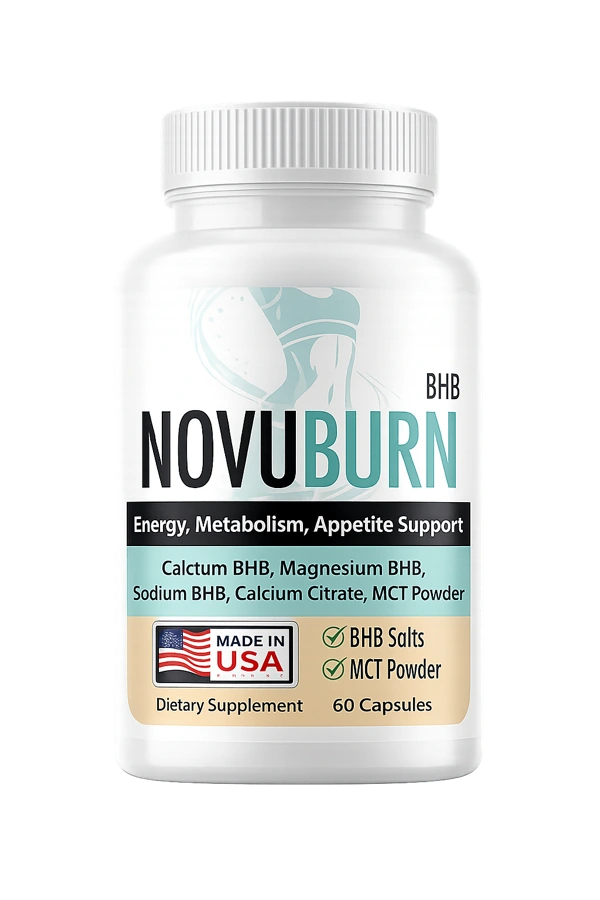
In Novuburn, magnesium arrives as part of the Tri-Salt BHB complex, bound to beta-hydroxybutyrate alongside calcium and sodium. That design lets one serving act as both fuel and electrolyte replacement: the BHB gives a ready ketone, and the bound magnesium, calcium and sodium return three minerals a low-carb diet flushes. Powdered MCT adds a second fuel. It is built to complement a magnesium-rich diet, not replace it. Compare the packages and pricing, or read the full Novuburn review.
When should you talk to a doctor about magnesium?
Magnesium is generally safe from food, but supplements are not right for everyone. Speak with your doctor before adding magnesium if you have reduced kidney function, take certain medicines (some antibiotics, diuretics or heart medication), or are pregnant or nursing. Seek care if cramps are severe, one-sided or come with swelling and warmth. Supplements support a normal low-carb diet; they are not a treatment for any medical condition.
Frequently asked questions
Why is magnesium important on a keto diet?
Magnesium runs hundreds of enzyme reactions governing muscle relaxation, nerve signalling and energy production, and a low-carb diet flushes more of it than usual. When intake does not keep pace, the shortfall shows up as cramps, restless sleep and flat afternoon energy.
What is magnesium BHB and how is it different from other magnesium?
Magnesium BHB is magnesium bound to beta-hydroxybutyrate, the same ketone your body makes on keto. One molecule delivers a usable dose of the mineral and a ready-made ketone at once, so you replace an electrolyte and supply fuel in a single serving.
Does magnesium help with keto leg cramps?
Magnesium is closely tied to muscle relaxation, and low magnesium is a common contributor to the night-time leg cramps of early keto. Evidence in the general population is mixed, but restoring a mineral you are actively losing is a sensible, low-risk step alongside sodium and potassium.
How much magnesium do adults need each day?
General NIH guidance puts the recommended dietary allowance at roughly 400 to 420 mg a day for adult men and 310 to 320 mg for adult women, from food and supplements combined. A low-carb diet can raise turnover, so many keto eaters aim toward the upper end.
Which form of magnesium is easiest on the stomach?
Chelated and organically bound forms such as magnesium glycinate, citrate and beta-hydroxybutyrate are generally better tolerated than magnesium oxide, which is poorly absorbed and more likely to cause loose stools. Taking magnesium with food and in the evening also improves comfort.
Is the magnesium in Novuburn enough on its own?
Novuburn's Tri-Salt BHB complex supplies magnesium alongside calcium and sodium as part of a daily routine, but it is designed to complement a magnesium-rich diet, not replace it. Whole foods such as greens, avocado, nuts and seeds should still do most of the work.
See the exact magnesium dose in Novuburn →
Novuburn is a dietary supplement, not a treatment for any medical condition. These statements have not been evaluated by the Food and Drug Administration. This product is not intended to diagnose, treat, cure or prevent any disease. Always consult a qualified healthcare professional about your individual needs.
References & further reading
- National Institutes of Health, Office of Dietary Supplements. Magnesium — Fact Sheet for Health Professionals. ods.od.nih.gov/factsheets/Magnesium-HealthProfessional
- MedlinePlus, U.S. National Library of Medicine. Magnesium in diet. medlineplus.gov/ency/article/002423.htm
- Mayo Clinic. Magnesium supplement (oral route) — description and use. mayoclinic.org/drugs-supplements/magnesium-supplement-oral-route
- Garrison SR, et al. Magnesium for skeletal muscle cramps. Cochrane Database Syst Rev, 2020. pubmed.ncbi.nlm.nih.gov/32956536
- Examine.com. Magnesium — evidence-based supplement summary. examine.com/supplements/magnesium
- National Institutes of Health, Office of Dietary Supplements. Potassium — Fact Sheet for Health Professionals. ods.od.nih.gov/factsheets/Potassium-HealthProfessional
These references describe the mineral and habits in general terms and do not constitute evidence that any product treats, cures or prevents any condition.
Keep reading: BHB salts and exogenous ketones · MCT oil vs powder for keto energy · the Novuburn blog · homepage.