Electrolytes on keto: how Novuburn replaces sodium, magnesium and calcium

Updated September 2026 · reviewed by the Novuburn Research Team. We are an independent information resource, not a medical provider, and this article is educational rather than medical advice.
Electrolytes on keto are the charged minerals — chiefly sodium, magnesium and calcium — that your body sheds unusually fast once you cut carbohydrates, and replacing them is the single most reliable way to feel steady on a low-carb diet. When those minerals run low you get the cramps, headaches and 2 a.m. leg spasms that make people quit keto in week one. This guide explains why low-carb eating flushes electrolytes, which symptom maps to which mineral, and how Novuburn is built to return three of them while it fuels you with BHB and MCT.
Why keto drains minerals, and what actually refills them.
- The cause
- Lower carbs mean lower insulin, and lower insulin tells your kidneys to release sodium and water — taking magnesium, potassium and some calcium with it.
- Biggest lever
- Replace sodium first, then magnesium and calcium. Most cramp-and-headache symptoms ease within a day or two of doing this.
- Where Novuburn fits
- Its Tri-Salt BHB complex binds ketones to sodium, magnesium and calcium, returning three minerals in one serving as it fuels you.
- Still needed
- Salted food, fluids and potassium-rich vegetables. A capsule supports a good low-carb diet; it does not replace one.
- Timeframe
- Mineral loss is fastest in the first one to two weeks of keto. Individual results vary.
If your first run at keto left you cramping, foggy and flat by mid-afternoon, the odds are the problem was not willpower — it was minerals. Below we unpack the mechanism, map each symptom to the mineral behind it, put real numbers on how much you need, and show exactly where Novuburn is designed to help.

What are electrolytes on keto, and why do they matter?
Electrolytes are minerals that carry an electrical charge in your body fluids — sodium, potassium, magnesium, calcium and chloride — and they run the systems that keto strains most: hydration, nerve signalling and muscle contraction. On a normal, higher-carb diet your body tends to hold onto these minerals in fairly steady balance. Keto changes the accounting. Because low-carb eating shifts how much fluid you carry, it also shifts how much of each mineral stays in the tank. That is why a diet built around fat and protein can leave you feeling drained by a shortage of something as ordinary as table salt.
Why does a low-carb diet flush sodium, magnesium and calcium?
A low-carb diet flushes electrolytes because cutting carbohydrates lowers insulin, and lower insulin tells the kidneys to excrete more sodium and water instead of holding onto them. (Bostock et al., Front Nutr 2020) This one hormonal change sets off a chain reaction through the other minerals, and it explains why the first two weeks of keto are the roughest.
What happens to sodium first?
Sodium goes first and fastest. Insulin normally nudges the kidneys to reabsorb sodium; when insulin falls on keto, that brake comes off and you lose sodium — and the water bound to it — through more frequent urination. This is the "whoosh" of early weight loss that is mostly water, and it is also why headaches, light-headedness on standing and plain fatigue show up in the first few days. Salting food to taste and sipping salty broth is the highest-return single step you can take.
Where do magnesium and calcium go?
Magnesium and calcium follow the water out. (Garrison et al., Cochrane Database Syst Rev 2020) As fluid volume drops and urination increases, magnesium is lost more readily — and magnesium is the mineral most tightly linked to the muscle cramps and restless, broken sleep of early keto. Calcium plays a quieter but real role in nerve and muscle signalling, and its balance shifts alongside the others. Whole foods help here (leafy greens, nuts, seeds, dairy or fortified alternatives), but during the flush of the first weeks many people find food alone does not keep pace.
What are the symptoms of low electrolytes on keto?
The symptoms of low electrolytes on keto are usually mineral-specific, which means you can often read them backwards to the mineral you are short of. Headaches and dizziness point to sodium; cramps and poor sleep point to magnesium; muscle weakness and heart flutters point to potassium. The table below maps the most common complaints to their likely driver and the first natural step for each.
| Symptom | Most likely mineral | First natural step |
|---|---|---|
| Headache & light-headedness | Sodium | Salt food to taste; salty broth; drink to thirst |
| Night-time & leg cramps | Magnesium (+ sodium) | Leafy greens, nuts, seeds; magnesium in the evening |
| Muscle weakness, heart flutters | Potassium | Avocado, salmon, mushrooms, leafy greens |
| Fatigue & the afternoon slump | Sodium + fuel gap | Sodium plus a ready ketone source (BHB/MCT) |
| Tingling, twitching, jitteriness | Calcium / magnesium balance | Return calcium and magnesium together |
Two cautions keep this honest. Symptoms overlap — fatigue can be sodium, fuel, poor sleep or simply doing too much too soon — so treat the table as a starting point, not a diagnosis. And more is not better: potassium in particular can be harmful in excess, so food-first is the safe default for it.

How much of each mineral do you actually need on keto?
There is no single "keto number" for electrolytes, but public-health reference intakes give a sensible frame, and low-carb eaters often sit at the higher end because they are losing more. The figures below are general adult reference points from the U.S. National Institutes of Health, not a prescription — your needs depend on your body, activity, medications and health conditions.
| Mineral | General adult reference point | Keto-friendly food sources |
|---|---|---|
| Sodium | Often deliberately higher on keto than general advice; salt to appetite unless told otherwise | Broth, quality salt, olives, cured meats |
| Magnesium | ~310–420 mg/day for adults | Pumpkin seeds, spinach, almonds, dark chocolate |
| Calcium | ~1,000–1,200 mg/day for adults | Dairy, sardines, leafy greens, fortified alternatives |
| Potassium | ~2,600–3,400 mg/day for adults | Avocado, salmon, mushrooms, leafy greens |
Notice that sodium is the outlier: most public guidance tells the general population to eat less of it, while many low-carb eaters need more because they are excreting it faster. If you have high blood pressure or a heart or kidney condition, this is exactly the point to check numbers with your own doctor rather than salting freely.
How does Novuburn replace electrolytes on keto?
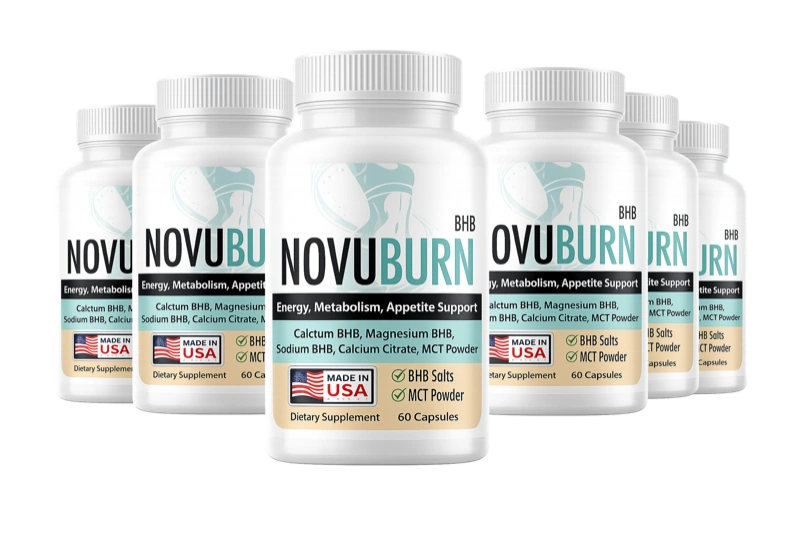
Novuburn replaces electrolytes by binding beta-hydroxybutyrate to three mineral salts — sodium, magnesium and calcium — so a single serving returns three of the electrolytes a low-carb diet tends to flush while it delivers exogenous ketones. (Evans et al., J Physiol 2017) In other words, the same Tri-Salt BHB complex that gives your brain and muscles ready-made fuel is also the vehicle that carries the minerals back in. Powdered MCT adds a second, fast-converting fuel source, and a botanical stack rounds out the formula. What it is not is a licence to skip salt and vegetables: Novuburn is a support to good hydration and a well-planned low-carb diet, not a substitute for either.
Three minerals, one capsule
See the exact dose in Novuburn: a Tri-Salt BHB complex that returns sodium, magnesium and calcium with powdered MCT for fuel. The six-bottle bundle is the best value at $49 per bottle, with free U.S. shipping and a 60-day guarantee.
Check today's Novuburn pricing — from $49/bottleHow should you time electrolytes and Novuburn through the day?
The best electrolyte routine on keto is the one that front-loads sodium early and saves magnesium for the evening, because that pattern matches when each mineral tends to help most. A simple, low-effort day looks like this:
- Morning: salt your food or a cup of broth, and take Novuburn with water at breakfast for fuel and its three-mineral complex.
- Midday: drink to thirst and pair fluids with a little salt rather than plain water alone — this is when the afternoon slump is easiest to head off.
- With meals: lean on potassium- and magnesium-rich vegetables — avocado, leafy greens, nuts and seeds.
- Evening: many people find magnesium easiest to tolerate later in the day, where it can support sleep and ease cramps.
If you are still adapting, our companion guide on beating keto flu naturally walks through hydration and pacing in more detail, and the magnesium in Novuburn breakdown goes deeper on that single mineral.

When are keto electrolytes not enough — and when should you see a doctor?
Electrolytes solve a mineral problem, so they cannot fix what is not a mineral problem — and they are never a substitute for medical care. Natural steps are meant for a normal, short adaptation phase. Speak with your doctor before adding electrolytes or starting keto if you are pregnant or nursing, under 18, take medication (especially blood-pressure, diuretic or glucose-lowering medicine), or have a heart, kidney or blood-pressure condition. Seek care promptly for fainting, an irregular or racing heartbeat, persistent vomiting, or symptoms that drag on beyond two weeks. Getting minerals right removes the most common reason keto feels awful; it does not replace a professional when something is genuinely wrong.
Frequently asked questions
Why do you lose electrolytes on keto?
On keto, cutting carbohydrates lowers insulin, and lower insulin signals your kidneys to release more sodium and water. As that water leaves, magnesium, potassium and some calcium go with it. This mineral loss is fastest in the first week or two, which is exactly when most people feel cramps, headaches and fatigue.
Which electrolytes matter most on a low-carb diet?
Sodium usually matters most because a low-carb diet flushes it fastest and the symptoms are immediate. Magnesium is second, closely tied to cramps and sleep, followed by potassium and calcium. Novuburn's Tri-Salt BHB complex is built around three of these — sodium, magnesium and calcium — alongside ketone fuel.
How does Novuburn replace electrolytes on keto?
Novuburn binds beta-hydroxybutyrate to three mineral salts — sodium, magnesium and calcium — so a single serving returns three of the electrolytes a low-carb diet tends to flush while it supplies exogenous ketones. It is designed to work alongside salted food and fluids, not to replace a well-planned diet.
Can electrolytes stop keto leg cramps at night?
Night-time leg cramps on keto are most often linked to low magnesium and sodium, so replacing those minerals is the first natural step and helps many people within a day or two. If cramps are severe, one-sided or persistent, or come with swelling, see a healthcare professional to rule out other causes.
Do I need calcium as well as sodium and magnesium on keto?
Calcium is part of the electrolyte picture and supports nerve and muscle signalling, though sodium and magnesium are the two people most often run short of early on. Returning all three together, as Novuburn does through its Tri-Salt complex, covers more of the mineral balance a low-carb diet disturbs.
When should I see a doctor about keto electrolytes?
See a healthcare professional before adding electrolytes or starting keto if you have a heart, kidney or blood-pressure condition, are pregnant or nursing, are under 18, or take medication. Seek care promptly for fainting, an irregular or racing heartbeat, persistent vomiting, or symptoms that last beyond two weeks.
See the exact three-mineral dose in Novuburn →
Novuburn is a dietary supplement, not a treatment for any medical condition. These statements have not been evaluated by the Food and Drug Administration. This product is not intended to diagnose, treat, cure or prevent any disease. Always consult a qualified healthcare professional about your individual needs.
References & further reading
- National Institutes of Health, Office of Dietary Supplements. Sodium — Fact Sheet for Health Professionals. ods.od.nih.gov/factsheets/Sodium-HealthProfessional
- National Institutes of Health, Office of Dietary Supplements. Magnesium — Fact Sheet for Health Professionals. ods.od.nih.gov/factsheets/Magnesium-HealthProfessional
- National Institutes of Health, Office of Dietary Supplements. Calcium — Fact Sheet for Health Professionals. ods.od.nih.gov/factsheets/Calcium-HealthProfessional
- National Institutes of Health, Office of Dietary Supplements. Potassium — Fact Sheet for Health Professionals. ods.od.nih.gov/factsheets/Potassium-HealthProfessional
- Bostock ECS, et al. Consumer Reports of “Keto Flu” Associated With the Ketogenic Diet. Front Nutr, 2020. pubmed.ncbi.nlm.nih.gov/32232045
- Mayo Clinic. Ketogenic diet — overview and considerations. mayoclinic.org
These references describe the minerals and habits in general terms and do not constitute evidence that any product treats, cures or prevents any condition.
Keep reading: magnesium in Novuburn · calcium citrate in Novuburn · how to beat keto flu naturally · back to the Novuburn blog · homepage.