How to get into ketosis faster with Novuburn (2026)

Updated September 2026 · reviewed by the Novuburn Research Team. We are an independent information resource, not a medical provider, and this article is educational rather than medical advice.
Getting into ketosis faster means shortening the two-to-four-day window your body needs to burn through stored glucose and switch to making ketones from fat. You do it by capping carbohydrates hard, depleting glycogen with movement or a short fast, and keeping electrolytes and protein in range — while exogenous BHB and MCT like Novuburn supply ready-made ketone fuel so the transition feels smoother. (Harvey et al., J Nutr Metab 2018) This guide walks the process step by step.
How to reach ketosis quickly, in one place.
- The switch
- Ketosis begins once glycogen is low enough that your liver turns fat into ketones — usually after carbs drop under about 50g a day.
- Speed it up
- Combine a strict carb cap, glycogen-burning exercise and a modest overnight fast; all three empty glucose sooner.
- Fuel the gap
- Exogenous BHB and MCT raise blood ketones right away, fuelling your brain and muscles while your own production ramps.
- Do not sabotage it
- Hidden carbs and excess protein are the usual culprits behind a stalled start.
- Timeframe
- Most people reach measurable ketosis in 2–4 days; up to a week is normal. Individual results vary.

What does it mean to “get into ketosis,” exactly?
Ketosis is the metabolic state in which your body, short on glucose, breaks down fat into ketones and burns them for fuel. It begins once blood ketones rise above roughly 0.5 mmol/L, which happens when stored carbohydrate (glycogen) falls low enough that the liver ramps up production. The trigger is a sustained drop in dietary carbohydrate that lowers insulin and switches your metabolism from sugar to fat — a fuel-source switch, not just a diet label.
Why does reaching ketosis take so long for some people?
The main reason ketosis is slow to arrive is that your body holds a large glycogen reserve it burns through first. An average adult stores roughly 400–500 grams across the liver and muscles, and only when that runs low does ketone production climb. (Fukao et al., Prostaglandins Leukot Essent Fatty Acids 2004) How fast you deplete it depends on your carb intake, activity, body size and metabolism. Two habits stretch the timeline: hidden carbohydrates, and eating so much protein that the excess converts back into glucose.

How can you get into ketosis faster? The core levers
The fastest route to ketosis is to empty your glycogen stores sooner, because ketone production rises as glucose availability falls. Every tip below is a variation on that one idea, in order of impact.
1. How low do carbs need to go?
Capping carbohydrates is the non-negotiable lever. For most people the target is under about 50 grams of net carbs a day, and many reach ketosis faster nearer 20–30 grams; the lower and steadier your intake, the quicker glycogen falls. (Hall et al., Am J Clin Nutr 2016) Watch for sugar in sauces, dressings, drinks, starchy vegetables and fruit, because a single slip can reset the clock.
2. Can exercise push you into ketosis quicker?
Yes — exercise is one of the most effective accelerators because muscular work draws directly on glycogen. Cardio and depleting sessions like circuits or intervals burn through stored glucose, so training fasted in the first days can shorten the window. A brisk walk, a bike ride or an easy strength session all count; keep intensity moderate at first, since very hard training before you adapt can amplify fatigue.
3. Should you try a short fast to jump-start it?
A brief fasting window is the quickest single way to lower glycogen: with no food coming in, the liver empties its glucose stores and turns to fat sooner. Many people use a simple overnight-to-midday fast to cross the line in the first day or two. Fasting is a tool, not a requirement: skip it if you are prone to low blood sugar, and discuss any prolonged fast with a doctor first.
4. Do exogenous ketones and MCT help you reach ketosis quickly?
Exogenous BHB and MCT do not force your body into fat-burning ketosis, but they change how the window feels by supplying ketone fuel while your own production ramps up. BHB is the very ketone your body makes on keto, so taking it raises circulating ketones within an hour; MCT converts toward ketones more readily than ordinary fats, adding a second fast source. See our explainer on BHB salts and exogenous ketones.
5. What about protein, sleep and electrolytes?
Three supporting habits keep the fast start from stalling. Keep protein moderate, because surplus protein can convert to glucose and blunt ketone production. Protect your sleep, since short nights raise the stress hormones that make adaptation drag. And replace electrolytes — sodium first, then magnesium and potassium — because the same insulin drop that starts ketosis also flushes minerals, and the resulting cramps and headaches are what make people quit early.
Fuel the switch while you adapt
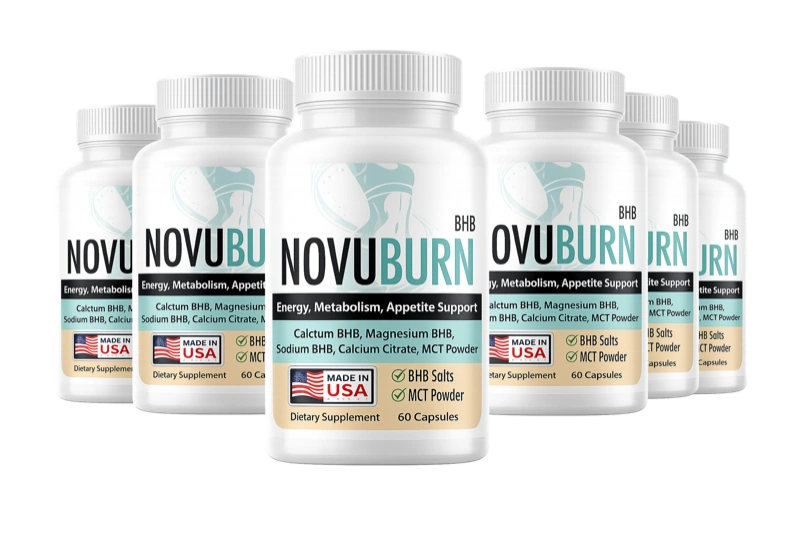
Novuburn pairs a Tri-Salt BHB complex with powdered MCT and electrolytes in one daily capsule — ready ketone fuel while your body catches up. See the exact dose in Novuburn, with a six-bottle bundle at $49 per bottle and a 60-day guarantee.
Check today's Novuburn pricing — from $49/bottleA day-by-day timeline: when will you actually be in ketosis?
Reaching ketosis follows a rough but predictable arc over the first week. This table maps what is typically happening inside and what moves it along.
| Day | What is happening | What helps most |
|---|---|---|
| Day 1 | Glycogen still high; insulin starts to fall as carbs drop | Cap carbs hard; finish dinner early |
| Day 2 | Glycogen falling; first mild fuel gap and possible dip in energy | Fasted walk; salt to taste; BHB and MCT for fuel |
| Day 3 | Ketone production climbing; often the first measurable reading | Stay strict; keep electrolytes up |
| Day 4–5 | Blood ketones above ~0.5 mmol/L for many; energy steadying | Consistency; moderate protein |
| Day 6–7 | Fat-adaptation deepening; symptoms fading | Normal training resumes; maintain the habit |
How do you know you have actually reached ketosis?
You can confirm ketosis with a measurement or read it from your body, and combining both gives the clearest picture. The table below lays out the three testing methods and the everyday signs.
| Signal | How it works | What to know |
|---|---|---|
| Blood ketone meter | Finger-prick strip measures BHB directly | Most accurate; 0.5–3.0 mmol/L is nutritional ketosis |
| Breath analyser | Estimates acetone on the breath | Reusable and convenient; less precise than blood |
| Urine strips | Detect excess ketones excreted in urine | Cheap; useful early but fades as you adapt |
| Body signals | Fruity breath, reduced appetite, steadier energy | Free but subjective; confirm with a test if unsure |
Where does Novuburn fit into getting into ketosis faster?
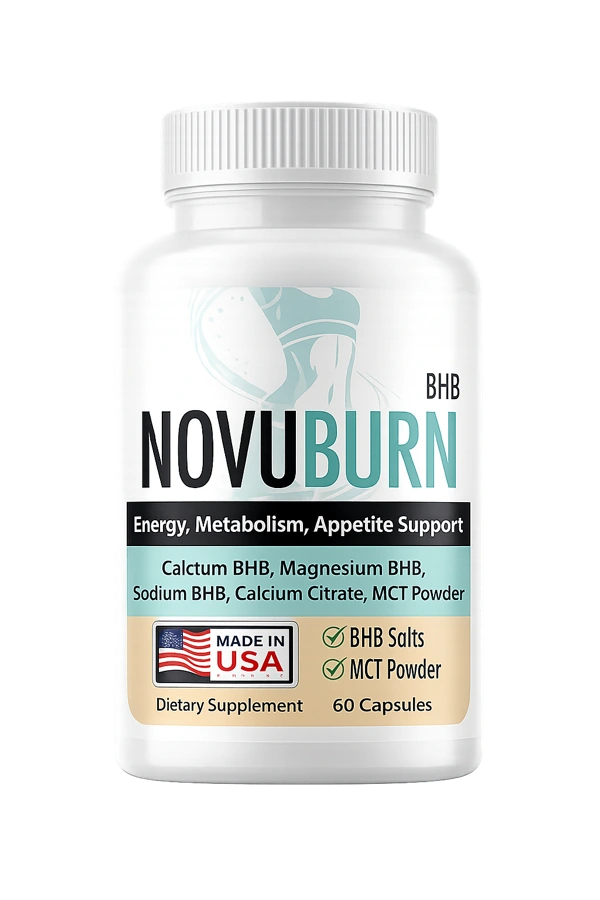
Novuburn is built around the two things that matter most while you are crossing into ketosis: fuel and electrolytes. Its Tri-Salt BHB complex binds beta-hydroxybutyrate to calcium, magnesium and sodium, so one serving delivers exogenous ketone fuel and three of the minerals a low-carb diet flushes, while powdered MCT adds a second fast fuel source. To be clear, Novuburn does not put you in nutritional ketosis on its own — that comes from lowering carbohydrates — but it supplies ready fuel and electrolytes while your body catches up. It supports a well-planned low-carb diet; it does not replace one.
A simple three-day fast-start plan
The best plan is the one you will follow — a light framework to compress the first stretch:
- Cap carbs under 30g from day one and read every label.
- Finish dinner early and delay breakfast for a modest overnight fast, if it suits you.
- Take a fasted walk each morning to draw down glycogen.
- Take Novuburn with breakfast — two capsules with water — for BHB, MCT and electrolytes.
- Salt to taste, keep protein moderate, and protect your sleep to keep the switch on track.
Because a steady routine builds over the weeks that follow, many people choose a multi-month supply — compare the packages and pricing, or read our full Novuburn review first.
When should you talk to a doctor?
A short, well-planned adaptation is fine for many healthy adults, but it is not a substitute for medical advice. Speak with your doctor before starting keto or fasting if you are pregnant or nursing, under 18, take medication, or have a diagnosed condition, and seek care promptly if you feel faint or have a racing heartbeat or persistent vomiting.
Frequently asked questions
How long does it normally take to get into ketosis?
Most people reach measurable ketosis within two to four days of dropping carbohydrates below about 50 grams a day, though it can take up to a week. A short overnight fast and daily movement tend to bring that timeline toward the shorter end.
What is the single fastest way to get into ketosis?
The fastest reliable route combines a strict carbohydrate cap with glycogen-depleting exercise and a modest fasting window, because all three lower glycogen so the liver makes ketones sooner. Exogenous BHB does not force the switch, but it raises circulating ketones immediately for fuel.
Do exogenous ketones like the BHB in Novuburn put you in ketosis?
Taking exogenous BHB raises the ketones in your blood, which is technically ketonemia, but it is not the same as the fat-burning nutritional ketosis you reach by lowering carbs. It is best understood as ready-made fuel that supports energy and focus during adaptation, not a shortcut around carbs.
Does MCT help you reach ketosis quickly?
Medium-chain triglycerides are absorbed rapidly and convert toward ketones in the liver more readily than long-chain fats, so they can raise blood ketones within hours and provide fuel while you adapt. They support the transition rather than replacing a low-carb diet.
Why am I not in ketosis even though I cut carbs?
Usually the cause is hidden carbohydrates in sauces, drinks and snacks, more protein than you realise, or simply not having depleted glycogen yet. Tightening the carb count and giving the switch a few consistent days usually resolves it.
Is it safe to try to get into ketosis faster?
A short, well-planned low-carb adaptation is fine for many healthy adults, but speak with a doctor first if you are pregnant or nursing, under 18, take medication, or have a medical condition. Stop and seek care if you feel faint, have a racing heartbeat or persistent vomiting.
See the exact dose in Novuburn — try it risk-free for 60 days →
Novuburn is a dietary supplement, not a treatment for any medical condition. These statements have not been evaluated by the Food and Drug Administration. This product is not intended to diagnose, treat, cure or prevent any disease. Always consult a qualified healthcare professional about your individual needs.
References & further reading
- National Center for Complementary and Integrative Health. Ketogenic Diet — overview and research. nccih.nih.gov/health/ketogenic-diet
- Harvey CJdC, et al. The effect of medium chain triglycerides on time to nutritional ketosis and symptoms of keto-induction in healthy adults. J Nutr Metab, 2018. pubmed.ncbi.nlm.nih.gov/29951312
- National Institutes of Health, Office of Dietary Supplements. Sodium — Fact Sheet for Health Professionals. ods.od.nih.gov/factsheets/Sodium-HealthProfessional
- Examine.com. MCTs (Medium-Chain Triglycerides) — evidence-based summary. examine.com/supplements/mct
- Mayo Clinic. Ketosis and the ketogenic diet — patient information. mayoclinic.org
These references describe the ingredients and habits in general terms and do not constitute evidence that any product treats, cures or prevents any condition.
Keep reading: BHB salts and exogenous ketones explained · how to beat keto flu naturally · MCT oil vs powder for keto energy · the Novuburn blog.