Exogenous ketones vs fat burners: the Novuburn guide
Updated September 2026 · reviewed by the Novuburn Research Team. We are an independent information resource, not a medical provider, and this article is educational rather than medical advice.
Exogenous ketones and fat burners get lumped together on the same shelf, but they work in completely different ways. Exogenous ketones supply a ready-made fuel molecule — BHB — plus electrolytes to support a low-carb routine, while a stimulant fat burner mostly raises alertness with ingredients like caffeine. This guide breaks down exogenous ketones vs fat burners, weighs the trade-offs honestly, and explains why Novuburn chose the fuel-and-electrolyte route rather than the jitter route.
Exogenous ketones vs fat burners, distilled.
- Exogenous ketones
- Supply BHB (a real fuel molecule) plus electrolytes to support keto — they work with your metabolism.
- Stimulant fat burners
- Use caffeine and related compounds to raise alertness and perceived energy; effects can include jitters and a crash.
- Not the same category
- Ketones are fuel and minerals; stimulants are stimulation. Neither is a magic fat-loss button.
- Novuburn's approach
- A stimulant-free Tri-Salt BHB complex with powdered MCT — fuel and electrolytes, not a caffeine hit.
If you have ever felt wired-then-tired on a fat burner, or wondered whether a keto product does the same thing, this comparison is for you. The two approaches share a goal — helping you feel energetic while you diet — but they get there so differently that choosing badly can leave you jittery and sleepless for no benefit. Let us start with the products in front of you.
What is the difference between exogenous ketones and fat burners?
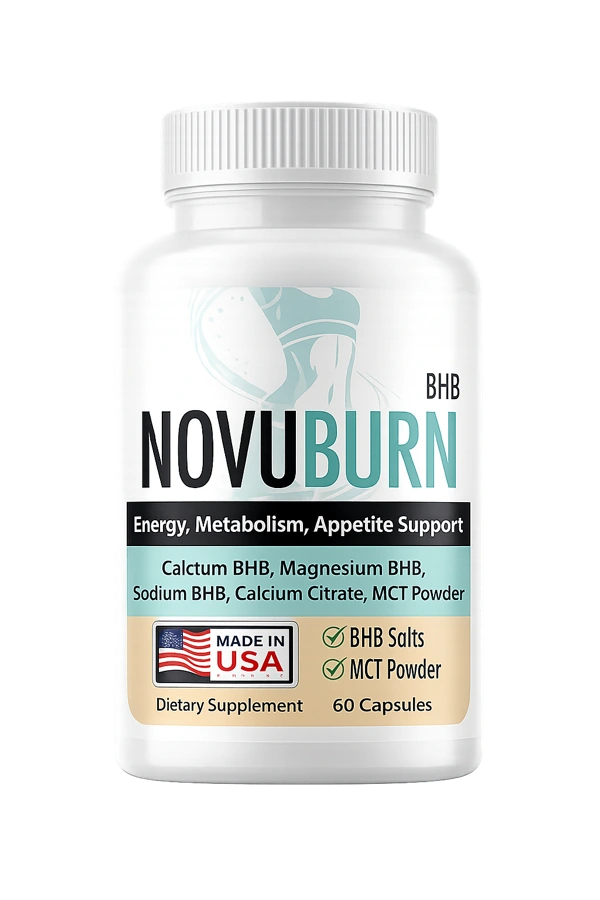
The core difference is simple: exogenous ketones provide fuel, while stimulant fat burners provide stimulation. Exogenous ketones deliver beta-hydroxybutyrate (BHB), the same ketone molecule your liver produces on a low-carb diet, so your brain and muscles have a fuel source to draw on. (Evans et al., J Physiol 2017) A stimulant fat burner, by contrast, does not supply fuel at all — it leans on caffeine, green-tea extract or similar compounds to make you feel more alert and to nudge energy expenditure upward. One category tops up your tank; the other steps on the accelerator. Understanding that distinction is the whole game, because it decides how each product feels and who it suits.
Why does the category confusion happen?
Marketing is the main culprit. Both product types are sold to the same person — someone trying to lose weight and stay energetic — so packaging and ad copy blur the lines with words like “energy,” “metabolism” and “burn.” But a ketone supplement and a stimulant fat burner are no more interchangeable than a snack and an espresso. They can even be complementary, yet treating them as the same thing leads people to double up on stimulants or to expect ketones to do something they were never designed to do.
What is a stimulant fat burner, and how does it work?
A stimulant fat burner is a supplement that relies on caffeine or related compounds to increase alertness, perceived energy and, modestly, calorie expenditure. Common ingredients include caffeine anhydrous, green-tea extract (EGCG), green coffee bean, yohimbine and various “thermogenic” botanicals. (Astrup et al., Am J Clin Nutr 1990) The pitch is that raising your metabolic rate and blunting appetite for a few hours helps you eat less and move more. There is genuine evidence that caffeine can slightly raise energy expenditure and improve workout output, but the effect is small, it fades as tolerance builds, and it comes bundled with side effects that many people dislike. (Dulloo et al., Am J Clin Nutr 1989)

What are the downsides of the stimulant route?
The trade-off with stimulants is that stimulation is not free. At higher doses, caffeine-based fat burners can cause jitters, a racing or pounding heartbeat, anxiety, digestive upset, disrupted sleep and the classic mid-afternoon crash once the dose wears off. Because they do nothing for the electrolyte losses that come with a low-carb diet, they can actually make keto adaptation feel worse. And tolerance means the same dose does less over time, which tempts people to keep increasing it. None of this makes stimulants useless — a morning coffee is a stimulant fat burner in all but name — but it explains why the “more is better” approach so often backfires.
What are exogenous ketones, and how do they support fuel?
Exogenous ketones are ketone bodies you take from outside the body, most often as BHB bound to a mineral to form a stable salt. Instead of stimulating you, they hand your metabolism a fuel it can use directly: BHB circulates in the blood and can cross into the brain, where it is readily burned for energy. On keto, your own liver eventually makes plenty of BHB, but that takes days of low-carb eating; an exogenous source raises blood ketones sooner, which is why people reach for it during the first weeks of adaptation. For a deeper look at the molecule itself, see our guide to BHB salts and exogenous ketones.
Why do electrolytes matter here?
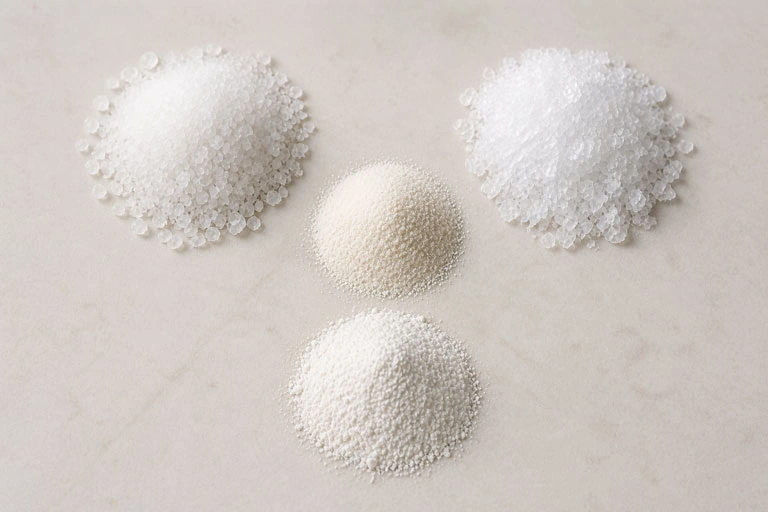
Because BHB salts carry minerals, a well-designed ketone product does a second job that fat burners cannot: it replaces electrolytes. A low-carb diet flushes sodium, and with it magnesium and potassium, which is a big reason people feel foggy, crampy and tired in early keto — the so-called keto flu. Binding BHB to calcium, magnesium and sodium spreads the mineral load across the three electrolytes keto depletes most, so each serving supports ketone availability and electrolyte balance at the same time. A stimulant, by contrast, offers no minerals at all.
See the exact dose in Novuburn →
Exogenous ketones vs fat burners: a side-by-side comparison
The clearest way to choose is to line the two approaches up against the things that actually matter day to day. The table below compares how each works, how it tends to feel, and what it does — and does not — offer.
| Factor | Exogenous ketones (e.g. Novuburn) | Stimulant fat burner |
|---|---|---|
| Primary mechanism | Supplies BHB fuel + electrolytes | Raises alertness via caffeine |
| Stimulant load | None (stimulant-free) | High; caffeine-dependent |
| Electrolytes | Yes — Ca, Mg, Na | None |
| Typical downside | Mild digestive upset if over-dosed | Jitters, poor sleep, afternoon crash |
| Tolerance over time | Not stimulant-driven | Builds; effect fades |
| Best paired with | A low-carb / keto diet | Any diet, used cautiously |
Neither column is “the winner” for everyone. If your problem is early-keto fatigue, cramps and fog, the fuel-and-electrolyte column addresses it directly. If you simply want a short-term alertness lift and tolerate caffeine well, a stimulant may suit you — just respect the trade-offs.
Why does Novuburn take the fuel-and-electrolyte approach?
Novuburn is built on the view that a keto-support product should solve keto's actual problems — low energy and lost minerals — without adding a stimulant load you may not want. Rather than chase the jitter route, Novuburn pairs a Tri-Salt BHB complex (calcium, magnesium and sodium BHB) with powdered MCT and a botanical stack. BHB gives you ketones directly; MCT provides a steadier source that converts toward ketones in the liver; and the three minerals help with the electrolyte balance a low-carb diet depletes. The result is designed to feel like steadier support, not a caffeine spike followed by a crash.

Is stimulant-free the same as weak?
No. Stimulant-free simply means the energy support does not come from caffeine. A fat burner can feel dramatic in the first hour precisely because stimulants are dramatic — but drama is not the same as usefulness, and it fades with tolerance. Fuel and electrolytes work quietly: you are less likely to feel a jolt and more likely to notice the absence of the mid-afternoon slump and keto cramps. For many people on a low-carb diet, that quiet steadiness is exactly the point.
Fuel and electrolytes, without the jitters
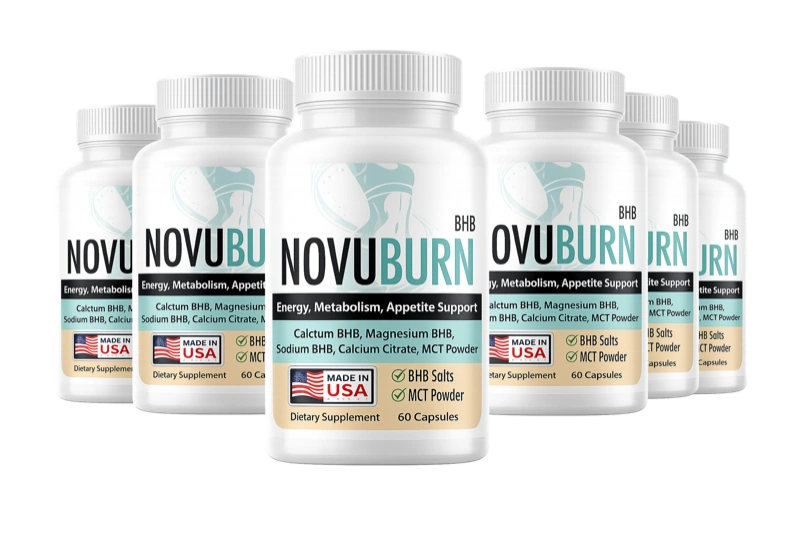
Novuburn pairs a Tri-Salt BHB complex with powdered MCT and a botanical stack — stimulant-free by design. The six-bottle bundle is the best value at $49 per bottle, with free U.S. shipping and a 60-day guarantee.
Check today's Novuburn pricing — from $49/bottleWhat can each approach realistically do?
Setting honest expectations matters more than any marketing claim, because both categories are routinely oversold. Exogenous ketones are a supportive fuel and electrolyte source; stimulant fat burners are a short-term alertness tool. Neither is a treatment for any condition, and neither replaces the diet, sleep and movement that drive real results.
| Reasonable expectation | Not a claim we make |
|---|---|
| Support steadier energy during keto adaptation | Guaranteed or effortless weight loss |
| Help replace electrolytes a low-carb diet depletes | A cure or treatment for any condition |
| A stimulant-free way to support a keto routine | A replacement for a low-carb diet |
| Everyday clarity and focus support | Instant, dramatic or stimulant-like effects |
Who is each approach for?
Exogenous ketones suit people following or starting a low-carb or keto diet who want fuel and electrolyte support without more caffeine — especially anyone already sensitive to stimulants or drinking coffee. Stimulant fat burners suit people who tolerate caffeine well, want a short-term alertness lift, and are not looking for electrolyte support. If you already run on coffee or pre-workout, adding a stimulant-free product like Novuburn is far easier than stacking another fat burner on top. For more on managing the adaptation phase itself, read how to beat keto flu naturally.
How should you choose between them?
Start by naming the problem you are actually trying to solve. If it is early-keto fatigue, cramps, or a mineral deficit, a Tri-Salt ketone product is the more direct answer; if it is simply wanting to feel more awake before a workout, a modest amount of caffeine may do. Then account for your stimulant budget: coffee, tea, pre-workout and soda all count, and stacking another stimulant on top is where jitters and sleep problems begin. Finally, read the label rather than the front of the box — the ingredient panel tells you whether you are buying fuel and minerals or a caffeine dose.
When should you talk to a doctor?
Both categories warrant a check-in with a healthcare professional in some situations. Speak with your doctor before using exogenous ketones or a stimulant fat burner if you are pregnant or nursing, under 18, take medication, or have a heart, kidney, thyroid or blood-pressure condition. Stimulant fat burners deserve particular caution if you are caffeine-sensitive or have any cardiovascular concern, while the mineral content of BHB salts is the main reason to check on the ketone side. Stop and seek advice if you notice any unexpected reaction.
Frequently asked questions
What is the difference between exogenous ketones and fat burners?
Exogenous ketones supply a ready-made fuel molecule (BHB) plus electrolytes to support a low-carb routine, working with your metabolism. Stimulant fat burners work by a different route, using ingredients like caffeine to raise alertness and perceived energy. One provides fuel and minerals; the other provides stimulation.
Are exogenous ketones a type of fat burner?
No. Exogenous ketones are not fat burners and do not force your body to burn fat. They are a supplemental source of the ketone BHB, the same molecule your liver makes on a low-carb diet, used to support energy and electrolyte balance while your diet does the real work.
Do stimulant fat burners cause jitters?
They can. Stimulant fat burners often rely on caffeine and related compounds, and at higher doses some people experience jitters, a racing heart, poor sleep or an afternoon crash. Sensitivity varies widely, so a dose that suits one person can feel like too much for another.
Can you take exogenous ketones and a fat burner together?
Some people do, but stacking stimulants adds up quickly and can strain sleep and heart rate. If you already use a stimulant fat burner, coffee or pre-workout, a stimulant-free ketone product like Novuburn is easier to add without doubling your caffeine load. Check with a healthcare professional first.
Does Novuburn contain caffeine or stimulants?
Novuburn is built around a Tri-Salt BHB complex, powdered MCT and a botanical stack, and is designed as a fuel-and-electrolyte support rather than a stimulant fat burner. Always read the current label for the full ingredient list before you buy.
Will exogenous ketones make you lose weight on their own?
No. Exogenous ketones are not a weight-loss shortcut. They can help you feel steadier and replace electrolytes during keto adaptation, but a calorie-appropriate low-carb diet and consistent habits do the real work. Any product that promises effortless fat loss is overpromising.
Try Novuburn risk-free for 60 days →
Novuburn is a dietary supplement, not a treatment for any medical condition. These statements have not been evaluated by the Food and Drug Administration. This product is not intended to diagnose, treat, cure or prevent any disease. Always consult a qualified healthcare professional about your individual needs.
References & further reading
- National Center for Biotechnology Information (NCBI) Bookshelf / StatPearls. Physiology, Ketone Bodies. ncbi.nlm.nih.gov/books/NBK493179
- Dulloo AG, et al. Normal caffeine consumption: influence on thermogenesis and daily energy expenditure in lean and postobese human volunteers. Am J Clin Nutr, 1989. pubmed.ncbi.nlm.nih.gov/2912010
- National Center for Complementary and Integrative Health (NCCIH). Green Tea — usage and safety. nccih.nih.gov/health/green-tea
- National Institutes of Health, Office of Dietary Supplements. Magnesium — Fact Sheet for Health Professionals. ods.od.nih.gov/factsheets/Magnesium-HealthProfessional
- Examine.com. Exogenous ketone supplements — evidence-based summary. examine.com/supplements/ketone-supplements
- Mayo Clinic. Caffeine: How much is too much? mayoclinic.org
These references describe the ingredients and mechanisms in general terms and do not constitute evidence that any product treats, cures or prevents any condition.
Keep reading: BHB salts & exogenous ketones explained · MCT oil vs powder for keto energy · back to the Novuburn blog · read the full Novuburn review.