Raspberry ketone weight loss claims vs the small Novuburn dose
Updated September 2026 · reviewed by the Novuburn Research Team. We are an independent information resource, not a medical provider, and this article is educational rather than medical advice.
Raspberry ketone is the aroma molecule that gives ripe red raspberries their smell, and for a few years it was sold as a miracle fat burner on daytime television. The honest picture is more modest: the exciting numbers come from cell-dish and rodent studies at doses no capsule can match, and there is no solid human evidence that it drives weight loss on its own. This guide explains what raspberry ketone really is, what the research actually shows, and why Novuburn includes only a small, standardized dose as a supporting note rather than the headline act. The botanical carrying more of that load is examined in garcinia cambogia for weight loss.
Does the raspberry ketone in Novuburn drive weight loss?
- Short answer
- No stand-alone effect. Human evidence for raspberry ketone as a weight-loss agent is essentially absent; it is a supporting aroma compound, not a fat burner.
- What it is
- A single aroma molecule from raspberries, almost always made synthetically for supplements because fruit extraction is prohibitively costly.
- The evidence
- Promising in cells and rodents at very high doses; no reliable human trials showing meaningful fat loss.
- Its role in Novuburn
- A small standardized dose that rounds out the botanical amplifier stack around the Tri-Salt BHB complex and MCT. (Mumme & Stonehouse, J Acad Nutr Diet 2015) (Evans et al., J Physiol 2017)
If you have seen raspberry ketone hyped as a shortcut, it helps to understand both why the hype started and why the science never backed it. (Morimoto et al., Life Sci 2005)
What is raspberry ketone, exactly?
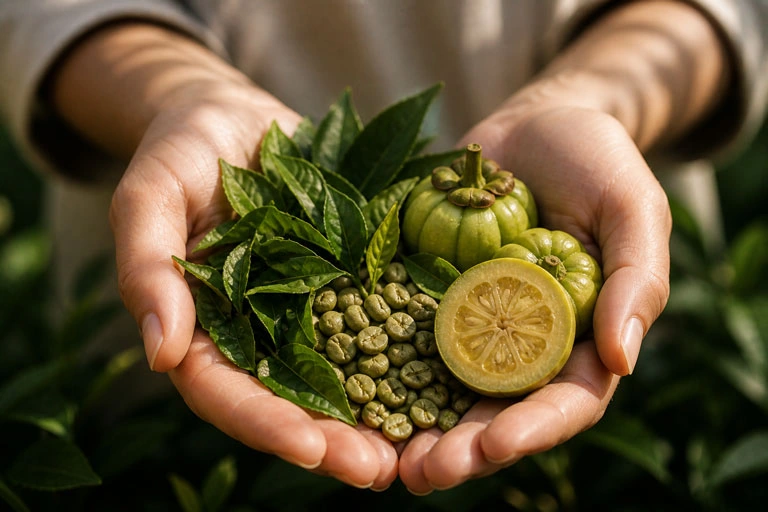
Raspberry ketone is a single aroma compound — chemically 4-(4-hydroxyphenyl)butan-2-one — responsible for the characteristic smell of ripe red raspberries. It is not a vitamin, a mineral, or a ketone body like the BHB your liver produces on keto; despite the shared word “ketone,” it has nothing to do with nutritional ketosis. For most of its history it has been used as a food flavoring and fragrance ingredient, valued for aroma long before anyone marketed it for weight loss.
Is supplement raspberry ketone natural or synthetic?
Almost all raspberry ketone in supplements is synthetic, and that is not a red flag — it is simple economics. A raspberry contains only a tiny fraction of the compound, so extracting a usable supplement dose from real fruit would cost a small fortune per bottle. Manufacturers therefore produce a molecule that is chemically identical to the natural one. The raspberry ketone in Novuburn is this standardized, purified form, the same molecule you would find in the fruit, just concentrated to a measurable dose.
Why does it share a name with keto ketones?
The name causes real confusion. The “ketone” in raspberry ketone refers to a ketone group in its chemical structure, a common feature of many aroma molecules. That is completely different from beta-hydroxybutyrate (BHB), the ketone body your body burns for fuel on a low-carb diet. If you want the metabolism story, read our companion explainer on BHB salts and exogenous ketones — that is where the real keto fuel chemistry lives.
Does raspberry ketone cause weight loss? What the research shows
The honest headline is that there is no good human evidence raspberry ketone causes meaningful weight loss on its own. The enthusiasm traces back to laboratory work: in isolated fat cells and in rodents fed high-fat diets, raspberry ketone appeared to influence fat metabolism and a hormone called adiponectin. Those are interesting signals, but they came from doses far larger than any human supplement provides, and lab results routinely fail to translate to people.
What did the animal and cell studies actually find?
In rodent studies, high doses of raspberry ketone were associated with less fat accumulation and shifts in fat-processing enzymes; in cell cultures, it nudged markers linked to fat breakdown. The catch is scale and species: to match those doses a person might need an implausible amount daily, and human physiology handles the compound differently. Promising mechanism, unproven outcome — that is the fair summary.
Are there human trials on raspberry ketone?
Human data is thin and muddied. The handful of studies often used to promote raspberry ketone tested it inside multi-ingredient blends alongside caffeine, capsaicin, garlic and other compounds, so any change could not be pinned on the ketone itself. Independent reviews of the evidence conclude that raspberry ketone as a single agent has not been shown to produce weight loss in people. When the evidence is this weak, the responsible thing is to say so plainly rather than imply otherwise.
| Evidence level | What was tested | What it means for you |
|---|---|---|
| Cell cultures | High concentrations on isolated fat cells | Interesting mechanism; not a real-world dose |
| Rodent studies | Large doses in high-fat-fed mice/rats | Signals for fat metabolism; species and dose gap |
| Human blends | Raspberry ketone plus caffeine & others | Cannot isolate the ketone’s own effect |
| Raspberry ketone alone (human) | Essentially untested at scale | No reliable proof of stand-alone weight loss |

Want to see the exact dose in Novuburn?
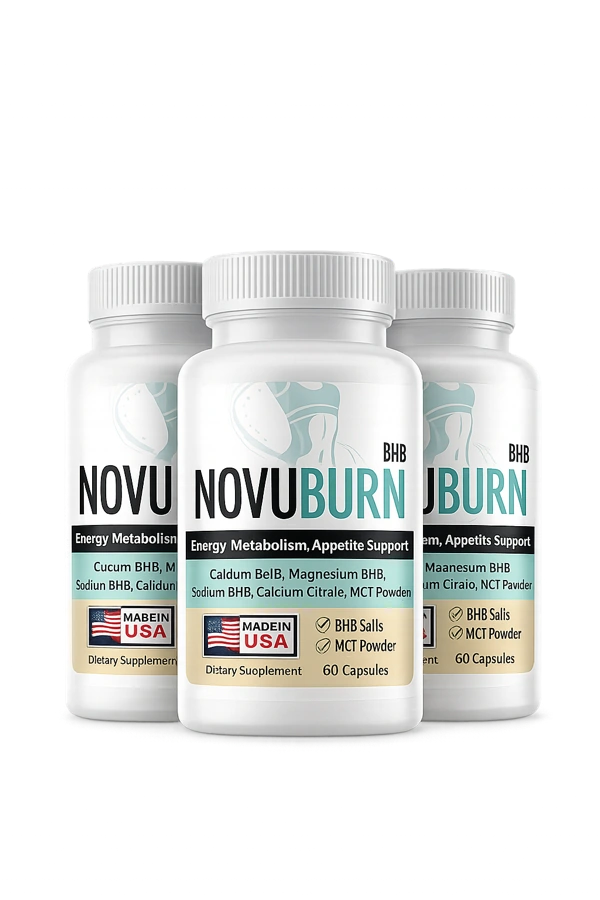
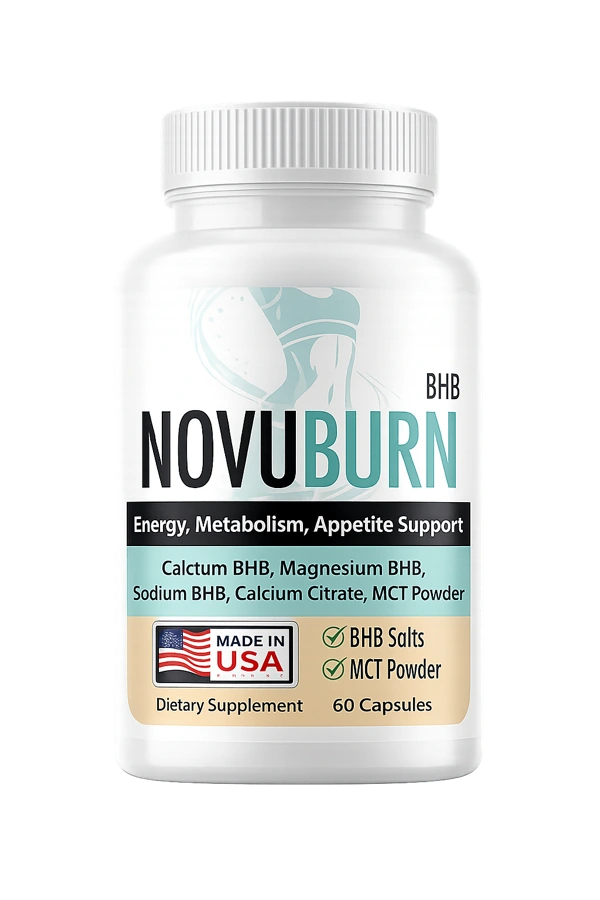
Novuburn prints every botanical amount — including its standardized raspberry ketone — on the Supplement Facts panel, so you can see exactly what a serving delivers alongside the Tri-Salt BHB complex and MCT.
See the exact dose in Novuburn →Why is the raspberry ketone dose in Novuburn so small?
Novuburn uses a small, standardized dose of raspberry ketone on purpose, because that is what the evidence and good formulation practice support. Loading a capsule with mega-doses of an ingredient that has no proven human benefit would be marketing, not science — and very high experimental doses are exactly where safety questions have been raised. A modest, measured amount lets raspberry ketone contribute as a botanical accent without crowding out the ingredients that actually carry the formula.
Isn’t a bigger dose always better?
No. “More” only helps when there is a proven dose-response in humans, and for raspberry ketone there is not. Piling in grams of an unproven aroma compound would raise cost, raise the odds of side effects seen at extreme doses, and deliver no reliable extra benefit. The formula’s heavy lifting is meant to come from the ketone and fat-fuel ingredients, not the garnish.
How does raspberry ketone fit the Novuburn botanical stack?
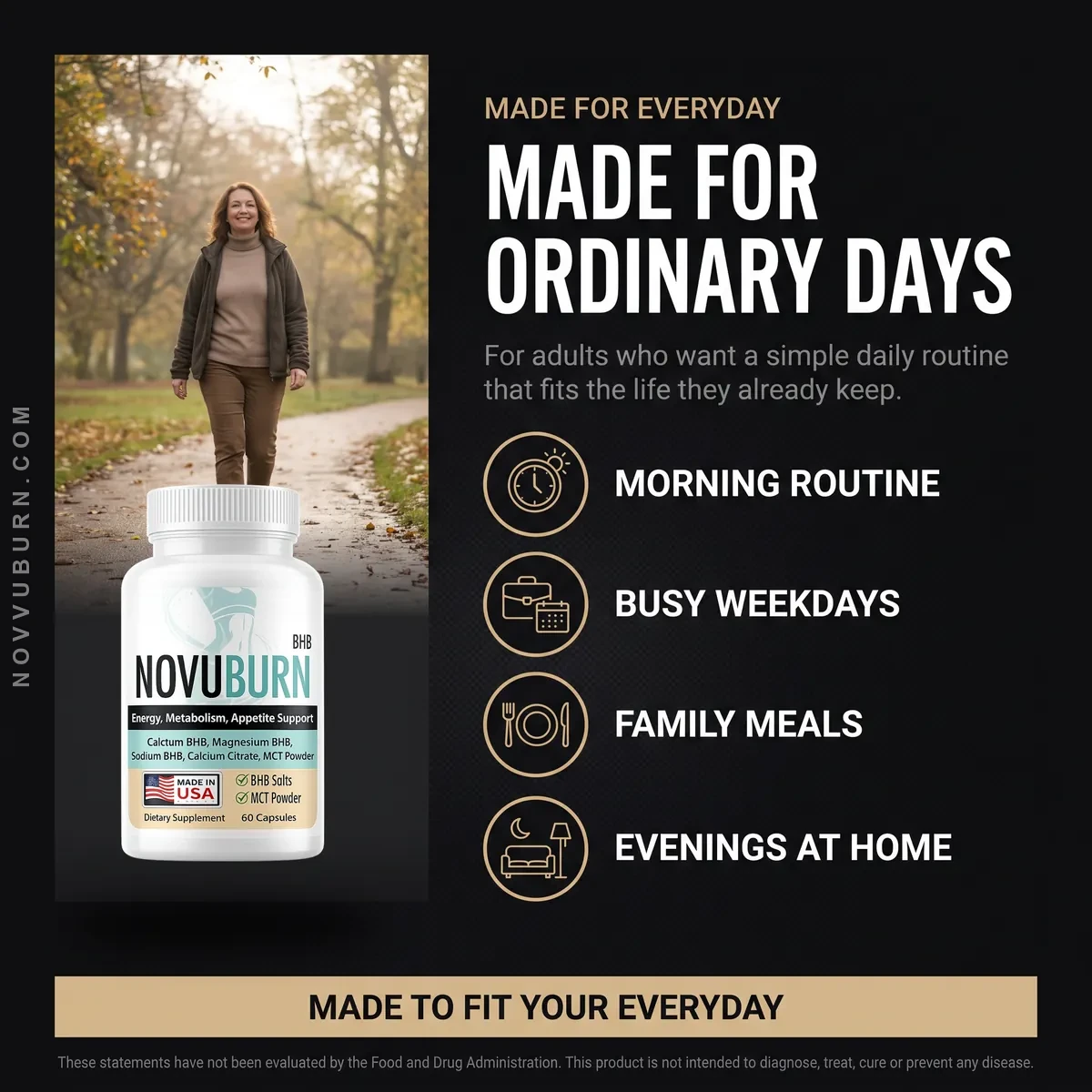
Raspberry ketone is one supporting note in Novuburn’s botanical amplifier stack, which sits around the core of the formula rather than replacing it. The engine of Novuburn is the Tri-Salt BHB complex plus powdered MCT — the ingredients tied to ketone availability and steady energy on a low-carb routine. Raspberry ketone earns its small place as a well-known, food-grade aromatic, not a claimed fat-loss driver.
| Layer of the formula | Example ingredients | Intended role |
|---|---|---|
| Core fuel | Tri-Salt BHB complex | Ketone availability + electrolytes |
| Converting fuel | Powdered MCT | Steadier ketone conversion in the liver |
| Botanical amplifier | Raspberry ketone & plant compounds | Supporting accents that round out the stack |
In other words, if you removed raspberry ketone tomorrow, Novuburn would still be Novuburn. It is there to complete a well-rounded botanical layer, and it is dosed accordingly. For the full breakdown, see the ingredients section or our guide on MCT oil vs powder.
What raspberry ketone will — and won’t — do
Setting honest expectations is the whole point of an ingredient explainer. Raspberry ketone is a safe, food-grade aroma compound that adds a recognizable botanical note. It is not a fat burner, not a proven weight-loss agent in humans, and not a reason on its own to buy any supplement. Your diet, movement, sleep and consistency do the real work.
| Reasonable expectation | Not a claim we make |
|---|---|
| A food-grade botanical accent in the stack | Stand-alone fat burning |
| A recognizable, well-tolerated aroma compound | Guaranteed or dramatic weight loss |
| A small, sensibly dosed supporting note | A cure or treatment for any condition |
| Part of a broader keto-support routine | A replacement for a low-carb diet |
How should you think about raspberry ketone supplements?
Judge a raspberry ketone supplement by the company it keeps, not by the aroma compound alone. A few sensible habits help:
- Ignore stand-alone raspberry ketone hype — the human evidence is not there.
- Look at the whole formula; the ingredients with real support (like BHB and MCT) should be doing the work.
- Prefer a modest, standardized dose over mega-dosed marketing claims.
- Pair any capsule with a low-carb diet so the routine, not the pill, drives results.
- Read the Supplement Facts panel and check exactly what you are getting.
When should you talk to a doctor?
Raspberry ketone is generally well tolerated at the small amounts used in supplements, but no supplement is right for everyone. Speak with a healthcare professional before using Novuburn if you are pregnant or nursing, under 18, take medication, or have a heart, kidney or blood-pressure condition. The safety questions raised in research came from extreme experimental doses, one more reason a modest amount makes sense.
Frequently asked questions
Does raspberry ketone cause weight loss in humans?
There is no good human evidence that raspberry ketone alone causes meaningful weight loss. The excitement comes from cell and rodent studies using doses far larger than any capsule delivers. Honestly, it is best viewed as a minor supporting aroma compound, not a stand-alone fat burner.
What is raspberry ketone made of?
Raspberry ketone is a single aroma molecule (4-(4-hydroxyphenyl)butan-2-one) responsible for the smell of ripe red raspberries. Because extracting it from real fruit is extremely expensive, almost all supplement raspberry ketone, including the standardized amount in Novuburn, is produced synthetically to be chemically identical.
How much raspberry ketone is in Novuburn?
Novuburn uses a small, standardized dose of raspberry ketone as a supporting note in its botanical amplifier stack, not as the headline ingredient. The exact amount is printed on the Supplement Facts panel. The core of the formula is the Tri-Salt BHB complex and powdered MCT.
Is the raspberry ketone in Novuburn the same as eating raspberries?
No. A bowl of raspberries contains only trace amounts of the ketone, so you cannot eat your way to a supplement dose. The raspberry ketone in Novuburn is a concentrated, purified version of that same aroma molecule, but the fruit itself is valued mainly for fiber and antioxidants.
Are there side effects to raspberry ketone?
At the small amounts used in supplements, raspberry ketone is generally well tolerated and has long been used as a food flavoring. Very high experimental doses have raised questions about heart and metabolic effects, which is one reason a modest, sensible dose makes more sense than a mega-dose.
Should I take Novuburn just for the raspberry ketone?
No. If raspberry ketone were the only reason to choose a product, the evidence would not justify it. Novuburn earns its place on the Tri-Salt BHB complex and MCT that support a keto routine; the raspberry ketone is a small aromatic accent that rounds out the botanical stack.
Check today’s Novuburn pricing →
Novuburn is a dietary supplement, not a treatment for any medical condition. These statements have not been evaluated by the Food and Drug Administration. This product is not intended to diagnose, treat, cure or prevent any disease. Always consult a qualified healthcare professional about your individual needs.
References & further reading
- Morimoto C, et al. Anti-obese action of raspberry ketone. Life Sci, 2005. pubmed.ncbi.nlm.nih.gov/15862604
- National Center for Biotechnology Information (NCBI) PubChem. Raspberry ketone — compound summary. pubchem.ncbi.nlm.nih.gov/compound/Raspberry-ketone
- National Center for Complementary and Integrative Health (NCCIH). Weight-loss and dietary supplements — what the science says. nccih.nih.gov/health/weight-loss
- Examine.com. Raspberry ketone — evidence-based summary. examine.com/supplements/raspberry-ketone
- Mayo Clinic. Are weight-loss supplements safe and effective? mayoclinic.org
These references describe the ingredient in general terms and do not constitute evidence that any product treats, cures or prevents any condition.
Keep reading: BHB salts and exogenous ketones explained · MCT oil vs powder for keto energy · the full Novuburn review · back to the Novuburn blog.